Please ensure Javascript is enabled for purposes of website accessibility

Category: Headaches

  • Three physical therapy stretches for tension headaches

    Three physical therapy stretches for tension headaches

    Tension headaches are almost an epidemic in the U.S. One article published by the American Medical Association (AMA) reported that 69% of men and 88% of women in this country are affected by this type of headache every year. One way to both treat tension headaches and reduce their frequency is to reduce tension in the neck muscles. There are three effective tension headache physical therapy stretches that can help reduce this tension: 

    1.   Forward and backward tilt

    Your neck muscles are connected to nerves that also run into your head, and this means that tension in the neck muscles can cause frequent tension headaches. The forward and backward tilt is one tension headache physical therapy stretch that can help decrease neck muscle tension. 

    To begin this stretch, sit up straight and place your head squarely over your shoulders. Then, slowly lower your chin toward your chest. Hold this stretch for about 20 seconds and breathe deeply in and out. After 20 seconds, slowly return your head to the start position. To stretch the muscles in the front of your neck, tilt your head backward so that your chin points toward the ceiling. Hold the backward tilt for another 20 seconds. Then, return to the start position again. 

    2.   Side tilt

    The upper trapezius, or trap, is a muscle that runs from the edge of your shoulder blade to the base of your skull. Tension in this muscle can cause tension headaches, but the side tilt is a tension headache physical therapy stretch that can target this muscle. 

    Start off with your head centered over your shoulders again. Slowly let your head tilt to the left and stop when you feel a stretch on the right side of your neck. Make sure you aren’t raising your shoulder here because this reduces the effectiveness of the stretch. After about 10 seconds of stretching, tilt your head back up to the start position. Then, repeat these steps by tilting your head to the left to stretch the left trap too. 

    3.   Side rotation

    Side rotation stretches are a tension headache physical therapy stretch intended to target the traps and rhomboids. Begin the stretch by moving your head so that it’s centered over the shoulders. Then, slowly turn your head to the right until you feel a stretch in the left side of your neck and left shoulder. Hold this stretch for about 15 seconds. When the 15 seconds are up, turn your head back to the front, and then repeat the same steps on your right side. For the best possible stretch, you may want to repeat this exercise up to 10 times on each side. 

    SSOR offers many types of tension headache physical therapy

    At SSOR, we know how tough it can be to deal with regular tension headaches. Our team is ready to build you a personalized treatment plan that could help reduce the frequency of your headaches. This and other benefits are possible for you thanks to therapy techniques like: 

    • Manual therapy
    • Therapeutic stretches
    • Strengthening exercises
    • Ergonomic recommendations

    Contact us today for more information or to schedule an initial appointment to start treating your tension headaches. 
  • Two helpful forms of tension headache physical therapy

    Two helpful forms of tension headache physical therapy

    Tension headaches are often caused by things we deal with every day, such as poor posture and tense upper body muscles. In many cases, people will just take some pain medication and wait for the pain to go away, but this only treats the pain rather than targeting the root cause of your headaches. With physical therapy, the root cause of headaches can be identified and treated, and there are two types of tension headache physical therapy that are especially helpful. 

    1.   Manual therapy

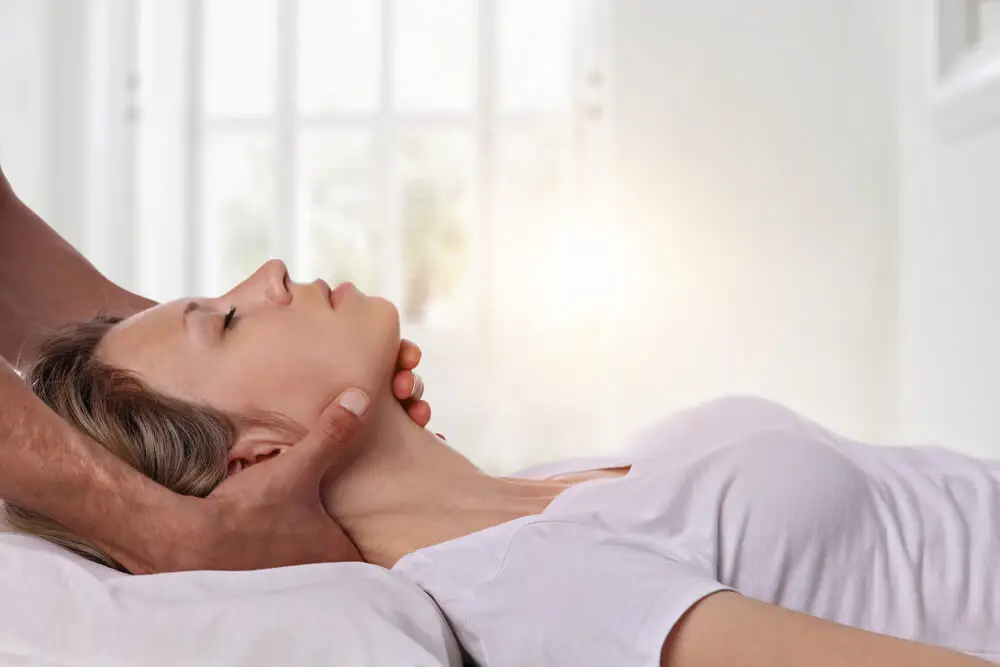
    Manual therapy is a type of tension headache physical therapy where the hands of the therapist are the medium of treatment. Their hands are used to move the neck, shoulders and upper back through various movements. The movements are designed to do several things that can help reduce the frequency of tension headaches. 

    For example, some manual therapy movements are used to stretch the tense muscles that may be causing tension headaches. Other movements are designed to mobilize, or massage, the soft tissue in the neck to release more areas of tension and improve blood flow. 

    2.   Ergonomic recommendations

    Ergonomics is the idea that a task can be fitted to the person doing it. This idea can be applied at work and at home, and it’s a key part of physical therapy for tension headaches. The recommendations the therapist will make typically varies depending on the person and their daily activities. 

    A person who works in an office and spends lots of time sitting may get recommendations to improve their seated posture. Improved posture places less strain on the neck muscles, which can help decrease the number of tension headaches you have. For people in more active jobs, ergonomic recommendations are more likely to focus on the movements they do. An example would be that a painter would be shown arm movements to use that cause less tension to build up in the shoulders. 

    Get the best tension headache physical therapy from Panther Physical Therapy

    Are you ready to ditch those daily tension headaches? Panther Physical Therapy is ready to help you meet this goal. Our team will evaluate you to figure out the root cause of your headaches, and we’ll then create a personalized physical therapy plan to treat it. These plans are intended to provide you with benefits such as: 

    • Decreased pain
    • Reduced headache frequency
    • Improved upper body posture
    • Increased neck muscle strength

    Take the next step to start treating your tension headaches at Panther Physical Therapy. Contact our team today for more information or to schedule an appointment.

  • Finding treatment for migraines in Allison Park, PA

    Finding treatment for migraines in Allison Park, PA

    Occasional head pain is a normal part of life. Headaches can be caused by problems like dehydration or lack of rest that are usually simple enough to address on your own. However, people who suffer from migraines have more obstacles to face.

    Migraines are severe forms of head pain that are usually related to a disorder in the nervous system. Typically, there are triggers that cause migraines to flare up. The causes of migraines are not always observable, but by identifying and preventing certain triggers, you can reduce the frequency and severity of migraines.

    Treating migraines with physical therapy

    One reliable method for reducing pain and preventing triggers that cause migraines is physical therapy. Physical therapists can use a variety of techniques to help prevent triggers and manage pain, including:

    • Stretching and exercising the neck muscles — A common cause of tension headaches is stiff muscles in the neck. This is also known to be a trigger of migraine pain. Physical therapists can help you stretch and exercise your muscles to improve support for your neck, which can reduce migraine pain.  
    • Improving your posture — Poor neck posture can strain the muscles and the spine, which may trigger migraines. Physical therapists can guide you through posture education for sitting, standing and sleeping. Improving your posture in these areas can help reduce triggers that cause migraines or other issues in your neck.  
    • Helping you relax — It’s not always possible to identify all the triggers of an individual’s migraine. When you cannot identify and prevent specific triggers, you’ll still need help managing the pain. Physical therapists can guide you through relaxation techniques that can help get you through the moments when migraine pain strikes.

    Physical therapy is a great way to go for treating migraines because it may lessen your dependency on migraine medications that cause negative side effects. Talk to your doctor or a physical therapist to find out if physical therapy is right for you.

    Visit Panther Physical Therapy in Allison Park, PA, for arthritis treatment

    If you live near Allison Park, Pennsylvania, and suffer from frequent migraines, our team at Panther Physical therapy may be able to help. We can examine your condition and identify potential triggers of your migraines and develop a personalized treatment for you. Contact our team today to learn more about treating migraines or to schedule an initial appointment.

  • What causes neck pain and headaches?

    What causes neck pain and headaches?

    Neck pain and headaches can cause difficulty in one’s day-to-day life and be debilitating when severe or persistent. Understanding the underlying causes of and options available for the reduction of neck pain and headaches are important first steps in addressing this common issue. Physical therapy services provided by the team of rehabilitation experts at Rehab Access can assist with both of these steps and work to develop a plan of action to reduce and potentially prevent further neck pain and headaches related to certain causes.

    Causes of neck pain and headaches

    Although each individual case must be reviewed to determine the specific cause underlying the symptoms, it has been shown that most neck pain and headaches are caused by muscular, skeletal issues in the cervical and thoracic vertebrae. This is the area along the upper back and neck and is made up of interlocking, disc-shaped bones in your spinal cord as well as some of the strongest and most pressured muscle tissue in the body. This all-important set of body parts can be affected by trauma or even a surprising amount of regular daily activities. For example, an individual working in an occupation that requires sitting all day looking at a computer screen or documents is at a high risk for neck pain and headaches, due to the pressure put on the cervical vertebrae region and the lack of movement necessary to maintain strength and flexibility.

    Identifying the cause of each type of pain and next steps

    Pinpointing the precise cause of neck pain and headaches can be accomplished via an examination by a trained expert like those on our team at Rehab Access. Once we have worked with you to identify the cause, we will then develop a plan of exercises that fit your current level of abilities and needs. These exercises and tactics will first address the immediate need by seeking to reduce pain in your neck and head associated with your physical situation. We will then work with you to develop skills and a plan to address the factors in your day-to-day life which may be contributing to the painful symptoms.

    Trust Rehab Access to address your neck pain and headaches

    Rehab services can help reduce neck pain and headaches. If you are suffering from these common issues, we hope you reach out to us so that we can work together with you to work toward that goal. Contact our team today to set up an initial appointment.

  • Is too much screen time causing your chronic headaches?

    Is too much screen time causing your chronic headaches?

    For patients who suffer from chronic headaches, identifying the root cause of them is vital to receiving effective treatment. There are many common causes of chronic headaches and migraines including concussions or whiplash. But there are some causes of chronic headaches you may not expect. For example, could too much screen time be causing your chronic headaches?

    Posture and headaches

    The body is an interconnected system of bones, muscles and tissues. Dysfunction in a body part or muscle can cause pain elsewhere. This is especially true for issues involving the spine.

    Sitting behind a desk all day is terrible for posture regardless of how much time is spent actively staring at a screen. This is because the hunched over position runs against the natural curvature of the spine, which places tremendous strain on the muscles of the back, neck and shoulders.

    Forward head position

    Specifically, staring at a screen for long periods of time puts the neck and head in a forward position. There is a simple way to check if you have a forward head position. Stand with your back to a wall and line your heels up against it. Stand straight up and see if your head touches the wall as well. If it is forward away from the wall, poor posture has altered your head position making it more likely that excessive screen time is causing your headaches.

    There are some steps you can take to alleviate poor posture sitting in front of a computer screen including:

    • Invest in a sit-to-stand desk so that work can be done while standing.
    • Take frequent breaks to walk around. Aim for 15 minutes of movement every hour.
    • Adjust the height of your monitor so that you are looking up at it instead of down.
    • Purchase an ergonomic work chair that promotes good posture.

    Too much screen time isn’t just a problem for computer screens. Our smartphones are just as bad, if not worse for posture. The small screens encourage people to hunch forward and place their necks further in the forward position.

    Physical therapy for chronic headaches

    Border Therapy Services wants to help patients with chronic headaches. A comprehensive treatment plan will be created for each patient based on their needs. This may include ergonomic suggestions to improve posture while working and stretches to help increase range of motion in the neck to relieve painful headache symptoms. Contact us today to set up your initial appointment.

  • Sinus headache treatment

    Patients seeking sinus headache treatment often want nothing more than to relieve the pressure in their nasal passages that is causing pain. Sinus headaches usually appear when you are sick or have a cold. While there is no cure for the common cold, Armor Physical Therapy explains how you can identify and treat sinus headaches.

    How do I recognize a sinus headache?

    Sinus headaches are caused by inflammation in the nasal passages. The inflammation constricts your sinuses which is why the pain can feel like a building pressure in your face or forehead. They are most commonly caused by colds and allergies.

    When you are sick, the bacteria in your mucus can cause inflammation in your sinuses. Getting rid of this excess mucus when we blow our noses can further irritate your nasal passages. This can create a feedback loop that builds congestion and pressure that causes a sinus headache, which means blowing your nose is a poor option for sinus headache treatment. Pain is usually centered in the front of the face or forehead.

    How can I treat sinus headaches myself?

    Fortunately, there are several effective sinus headache treatments you can do yourself including:


    • Neti pot or saline wash — A warm saline solution flushed through the nasal passages can work wonders. It is more effective than blowing your nose and does not cause further inflammation of the sinus cavity.

    • Decongestants — A nasal decongestant medication can also help with clearing out your sinuses. Be careful as some nasal decongestants can raise blood pressure. Check with your doctor if you are unsure about taking a decongestant.

    • Eat spicy foods — If you have ever taken too large of a bite of horseradish or hot mustard, then you have probably felt how quickly it can clear your sinuses. That can be attributed to the capsaicin found in chiles and other spicy foods. For those that like the heat, eating spicy foods can be an effective sinus headache treatment.


    Can physical therapy help with chronic sinus headaches?

    Most sinus headaches go away on their own, but if you experience chronic or recurring headaches, physical therapy can be an effective sinus headache treatment option. The physical therapist will perform an evaluation to determine the cause of the problem and work with you to create an individualized treatment plan. Contact us today to set up your initial appointment.

  • How to tell if you suffer from cervicogenic headaches

    How to tell if you suffer from cervicogenic headaches

    There are many types of headaches, but cervicogenic headaches are specifically related to having tightness and tension in the muscles of the back of the neck. The pain can be severe, and often be accompanied by pain or tightness in the neck. Physical therapy can help people with all types of headaches. Rehab Access explains how to tell if your headaches might be cervicogenic headaches.

    Causes of cervicogenic headaches

    By far the most common cause of cervicogenic headaches is poor posture. Sitting hunched over at a desk with the back rounded and head tilted forward put enormous strain on the muscles and vertebrae in the neck. This forward head position can cause the vertebrae in the neck to shift forward out of its normal alignment.

    In addition, sudden trauma such as whiplash from auto collision or a neck fracture can cause cervicogenic headaches. Osteoarthritis can also reduce the lubricating discs between vertebrae in the neck causing compression of the nerves.

    Symptoms of cervicogenic headaches

    While all headaches or very uncomfortable and have a pain component, there are some specific symptoms to look for in cervicogenic headaches including:

    • Pain that also radiates to your arm or shoulder
    • Stiff or limited motion in the neck
    • Sensitivity to light and sounds
    • Pain that occurs while coughing, sneezing or breathing
    • Pain that stays on one side of the head

    Treating cervicogenic headaches at Rehab Access

    Fortunately, the physical therapists of Rehab Access are experts when it comes to treating patients with cervicogenic headaches. Individualized treatment plans are developed with each patient to help treat the pain. Exercises and specialized neck movements are designed to strengthen the neck muscles and regain range of motion. Massage therapy or dry needling may be used in conjunction with these exercises to relieve tension in the muscles.

    Cervicogenic headaches do not have to prevent you from enjoying your daily activities. Physical therapy techniques can help treat and relieve the symptoms of these headaches. If you or a loved one suffers from chronic headaches, contact Rehab Access today to schedule your initial consultation.

  • Can Movement Help Your Memory?

    Can Movement Help Your Memory?

    You bet!  The relationship between a healthy body and a healthy mind has long been theorized – 1st Century Roman poet Juvenal, for example, once wrote that people should pray for mens sana in corpore sano – a sound mind in a sound body – over power and wealth.  More recently, the connection between physical exercise and improved memory has been well-documented scientifically.

    “There are plenty of good reasons to be physically active, including reducing the odds of developing heart disease, stroke and diabetes,” said Heidi Godman, executive editor at the Harvard Health Letter. “Maybe you want to lose weight, lower your blood pressure, prevent depression, or just look better.”

    “But here’s another one, which especially applies to those of us (including me) experiencing the brain fog that comes with age: exercise changes the brain in ways that protect memory and thinking skills.”

    Connecting The Body And The Mind

    A recent study by the National Institute on Aging (NIA), published in the journal Cell Metabolism, serves as the most recent example of research connecting the body and the mind. This study showed that when we exercise, muscles release a protein (cathespin B) that appears to generate new cells and improved connections in the hippocampus – a part of the brain that controls memory.

    “Overall, the message is that a consistently healthy lifestyle pays off,” said senior author of the study, Dr. Henriette van Praag, a neuroscientist at the NIA. “Moreover, in humans who exercise consistently for four months, better performance on complex recall tasks, such as drawing from memory, is correlated with increased cathespin B levels.”

    Movement Improves Memory

    This is just the latest in an extensive history of scientific research that connects physical exercise with such mental benefits as improved memory, a delay in the onset of dementia and Alzheimer’s disease, and improved mental function for those dealing with the natural effects of aging.

    One study by the Mayo Clinic found that adults who regularly engage in moderate aerobic exercise five to six times each week can reduce their risk of mild cognitive impairments (i.e., memory and comprehension) by up to 32 percent thanks to increased blood flow to the brain.

    This increase blood flow, some studies suggest, can actually maintain or even increase the size of the hippocampus.

    “These theoretically important findings indicate that aerobic exercise training is effective at reversing hippocampal volume loss in late adulthood, which is accompanied by improved memory function,” stated Dr. Kirk Erickson, lead author of a 2011 study funded through the NIA. “But we’ve shown that even moderate exercise for one year can increase the size of that structure. The brain at that stage remains modifiable.”

    Movement Enhances Emotions

    Besides these direct physiological connections between exercise and the brain, Godman points out other obvious mental and emotional benefits.

    “Indirectly, exercise improves mood and sleep, and reduces stress and anxiety,” she said. “Problems in these areas frequently cause or contribute to cognitive impairment.”

    All SOL Physical Therapists are specifically trained to assess and treat people who are dealing with pain, injury, physical deficiencies and other issues that make it difficult for them move or exercise regularly. If a physical roadblock is keeping you from striving toward both a sound body and mind, your SOL physical therapist can help put you on path toward improved health and happiness.

    Don’t wait to feel better, make an appointment at SOL Physical Therapy today!

    SOURCES:

    Harvard Health Publications: Regular exercise changes the brain to improve memory, thinking skills;
    The Telegraph: Exercise triggers brain cell growth and improves memory, scientists prove;
    Medical News Today: Moderate exercise improves memory in older people

When Was Your Appointment?

We recently changed bill pay providers. Please click the button for the date of your appointment to be directed to the correct online payment portal.